

Video duration: 3 min, 55 sec
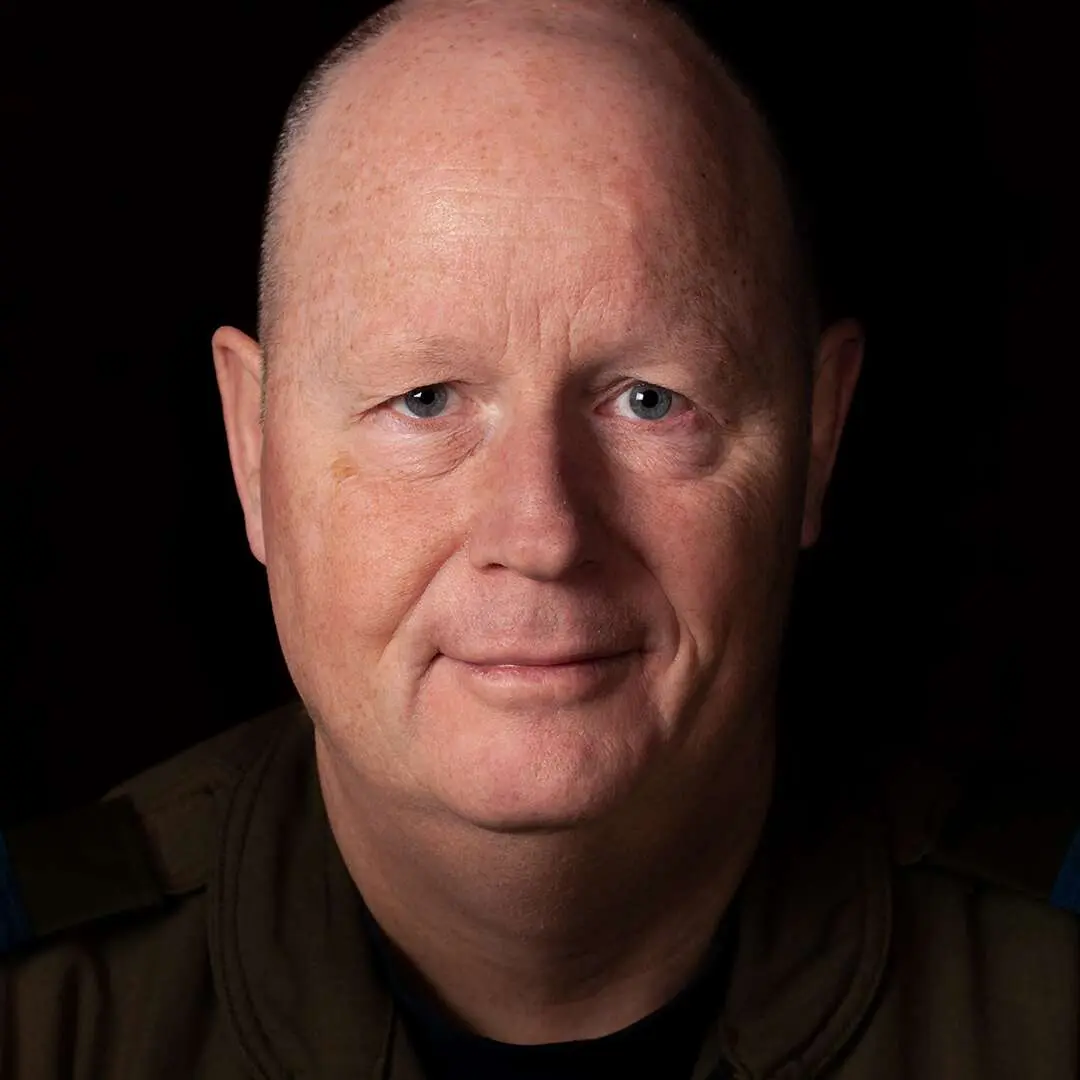
(Shot of Major Alain Tanguay, bald and oval-faced, sitting in an armchair wearing his blue Royal Canadian Air Force uniform)
Major Alain Tanguay: I’m Major Alain Tanguay. When I deployed to Haiti, I was the Search and Rescue Squadron Commanding Officer of an Air Force unit stationed there. The unit had several squadrons. While I was there, I was in charge of the search and rescue missions.
(The words “street gangs” appear on-screen)
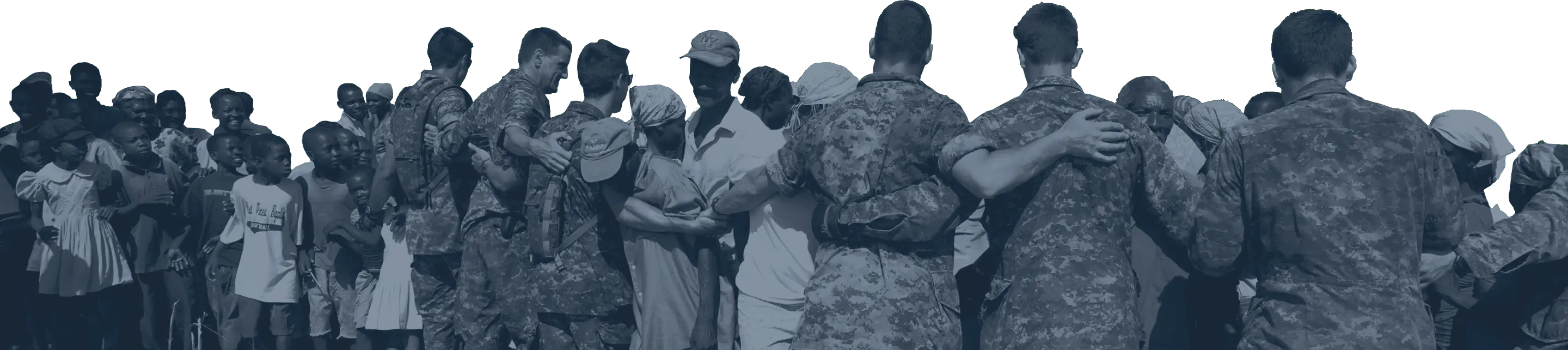
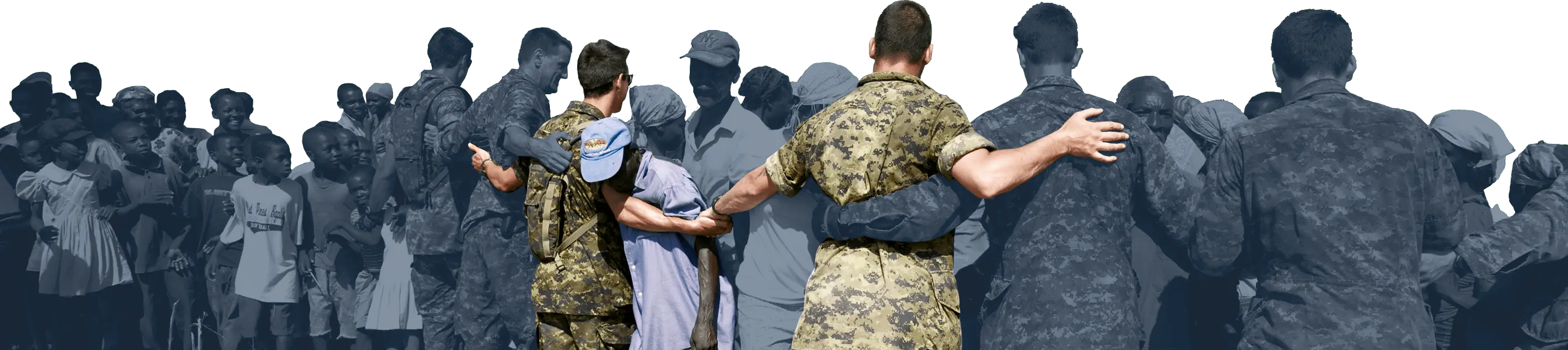
Major Alain Tanguay: We brought humanitarian aid to people, not just to people in Port-au-Prince, but those in the mountains and much farther from the cities. These people needed more help. We brought them food and water and offered moral support. We were in the field. There were soldiers on the ground and we arrived by helicopter to drop off equipment. Then, they distributed it. What was frustrating was seeing that all the aid that we’d brought was later pillaged by the street gangs who lived in the mountains. These gangs took the equipment that had been distributed as aid and took it to Port-au-Prince where they sold it. Things are a bit different there than here in Canada. There aren’t really any police or any way to stop these street gangs. They don’t even try to hide. You can go into the city and see them riding around on motorbikes or in cars with their windows rolled down… their weapons with them at all times. Right out in the open. Everyone knew about them but nothing could be done. I don’t think there were resources to stop them.
There was one situation… when we learned that some orphanages were beginning to run out of food. We saw that two orphanages on the list had Canadians working in them. So, we decided, well, the Air Force Commanding Officer who was with us decided to make a humanitarian gesture and bring them food. We used a bus that we’d loaded up with all kinds of ration boxes to bring to the orphanages so the children would have something to eat. Because of the street gangs, we had to take precautions, pretty intense precautions, so that he bus wouldn't be vandalized on its way to these places. They had barricaded all of the windows. We put armed personnel on the bus and there was one escort in front of the bus and another behind it, to make sure we could get to the orphanages safely to distribute the food. So, this gives you an idea of how the majority of the population lived in Port-au-Prince. We also really noticed a city culture in Port-au-Prince. As soon as we left the city, in the villages, in the mountains, up to Jacmel, where we went several times, it was the exact opposite. There were still gangs, but far fewer. And it was much friendlier out there.